For the launch of our Fresh Forward V3 Trend Report, Pardox edition, we put some questions to the sharpest brand and production agency in the game, Blood, create engaging creative and activations for the world’s most recognised brands. Here’s what they had to say….
TJ – Tarl Jamieson – Founder / Head of Creative
MC – Mark Cowland – Creative Director
FS – Fergus Small – Client Services Director

(TJ) What does this experience need to deliver? All the classics – Where, When, and Budget Who is it for? Purpose? What and what’s the reason for the event? What does success look like?
(MC) The first thing I ask is: what do they want people to take away from the experience, and how do they want people to feel? Most of the time, it comes back to understanding the brand’s mission, values, and the message they’re trying to communicate.
(FS) Who is your community, what do they care about, where do they exist and how do they communicate? If you don’t know your audience, you won’t resonate with them. Community creates consumers. You have to engage the community, and the consumer side of things will naturally follow what’s the single thing that separates a genuinely memorable activation from one that was simply well executed
(TJ) When all partners and team are in sync based on letting the creative lead the experience. Designing with purpose rather than shooting from the hip. An average event with a strong plan will always succeed, imagine when it’s killer creative with a solid plan. People eat with their eyes so how it looks wins half the battle. Layering creative design into your event is key. Simple ideas finished to a high standard.
(MC) The memory it leaves behind. A lot of activations are well executed, but the real memorable ones create a feeling people take with them afterwards. They connect emotionally, feel authentic, and become something people talk about beyond the event itself. That lasting impact is what makes the difference.
(FS) when an attendee / guest / consumer leaves feeling like they have been part of something special or unique.
(TJ) Usually I would say here that when this has happened to us it’s usually due to a venue change or direction 180. We have worked up ideas and concepts and the weather have made impacts on the day. Clients are easily swayed. Sometimes it’s a skill in itself to be able to fight for the creative and stay on track. Sometimes we can over design. So many variables.
Also when the budget is disconnected from the brief appetite. It will always look like a cheaper version of the dream.
(FS) I don’t want to single any brand / agency out (even though there are a few that certainly come to mind!) but I think that a common feature of activations that don’t land is “trend chasing”. That can manifest in a number of ways – locations / aesthetics / themes/programming… if its not authentic to the brand, consumers will see through it and whilst it might seem like a good idea for expanding an audience / community… it can actually have the opposite effect on the existing audience.
(MC) I wouldn’t say there’s a formula. The best work usually starts with a deep understanding of the audience, then creating something that feels genuinely unique and memorable to them.
(TJ) I don’t think so or we would be ten times busier. To me, I think that the best way to create an impactful experience is to really dive down into the reason why the brand or client want to do what they want to do. It’s very easy to do cookie cutter event work because it works to a point, but the ones that make a difference normally tell the story for the brand, elevate the product and leave someone with a great experience. Creating spaces that work from a flow perspective, spacially considering why things live in certain places. I genuinely believe that as long as people come away from your event/experience, feeling something good, normally it will be remembered.
A lot comes down to taste and understanding what a brand client is looking for, sometimes it’s not about what’s cool, but about what’s beneficial for them to succeed. Elevation always.
(FS) Three things that will really impact the success of an activation or experience;
Authenticity – what are you doing and why?
Aesthetics – how does it look?
Programming – whats happening and why would it engage your community / attract new members?
If all three of these things are aligned with the insight and the strategy work that has been done up front with the community, then the Activation will be a success.
Cultural consideration is something that is hugely important – that’s not just slapping the latest rapper in an event and saying “we’re culturally relevant”… it’s about listening to what’s being said in the current cultural landscape – both at a macro and micro level and making sure that this comes through in an authentic way through what you’re doing as a brand and how you’re communicating an activation.
(TJ) At the moment, social /linked in plays a big part on eyes on the projects we make – BUT the question is : who is really paying attention? It’s hard to gauge. Plus there’s a few different audiences; brand followers, client teams and stakeholders, adjacent agencies looking at concept and finish. We don’t have a measuring tool at present that can give us anything other than what we see out in the wild.
I think when we speak about shifts in brand perception it’s key to understand what the reason for change is. Many brands get stuck in their mould and decide they want to be different, but that’s not easy without story and foundation to build from, so when we activate – if we are making noise for a brand that wants change – It is key to keep up momentum – but that doesn’t always happen. Again all based on real brand appetite. In real life activation is where you get the real feedback.

(MC) Social engagement, media pickup, and sales are usually the success metrics brands look at for activations. But in reality, it’s the audience response and conversation around the brand that tell whether there’s been a shift in perception.
(FS) Social engagement in a way that’s authentic to the creator is something that’s a really good measurement. For example, if you create a space that they want to photograph, they want to film, they want to post without forcing that to happen, then that shows that it’s been a success. Also, the discussions that come around from that: sometimes the most important way of judging a piece of content isn’t in the content itself, it’s in the comments and conversations that follow.

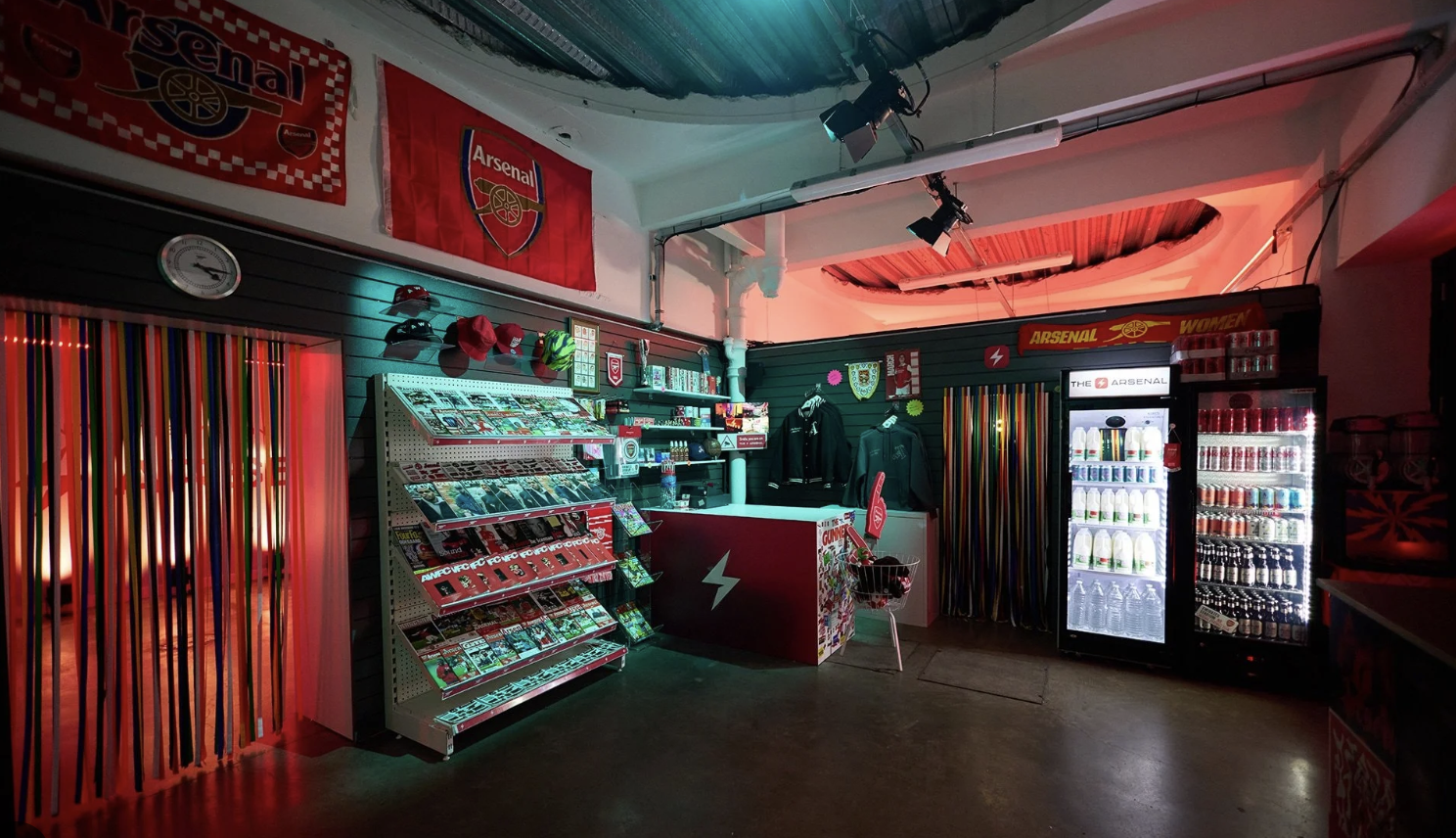
(TJ) I think everyone is really starting to see the value in getting out into real life. More work with sport teams (eg football) in activation would be great. We recently worked with Arsenal, and it was an amazing project for the team. Rich storytelling opportunity.
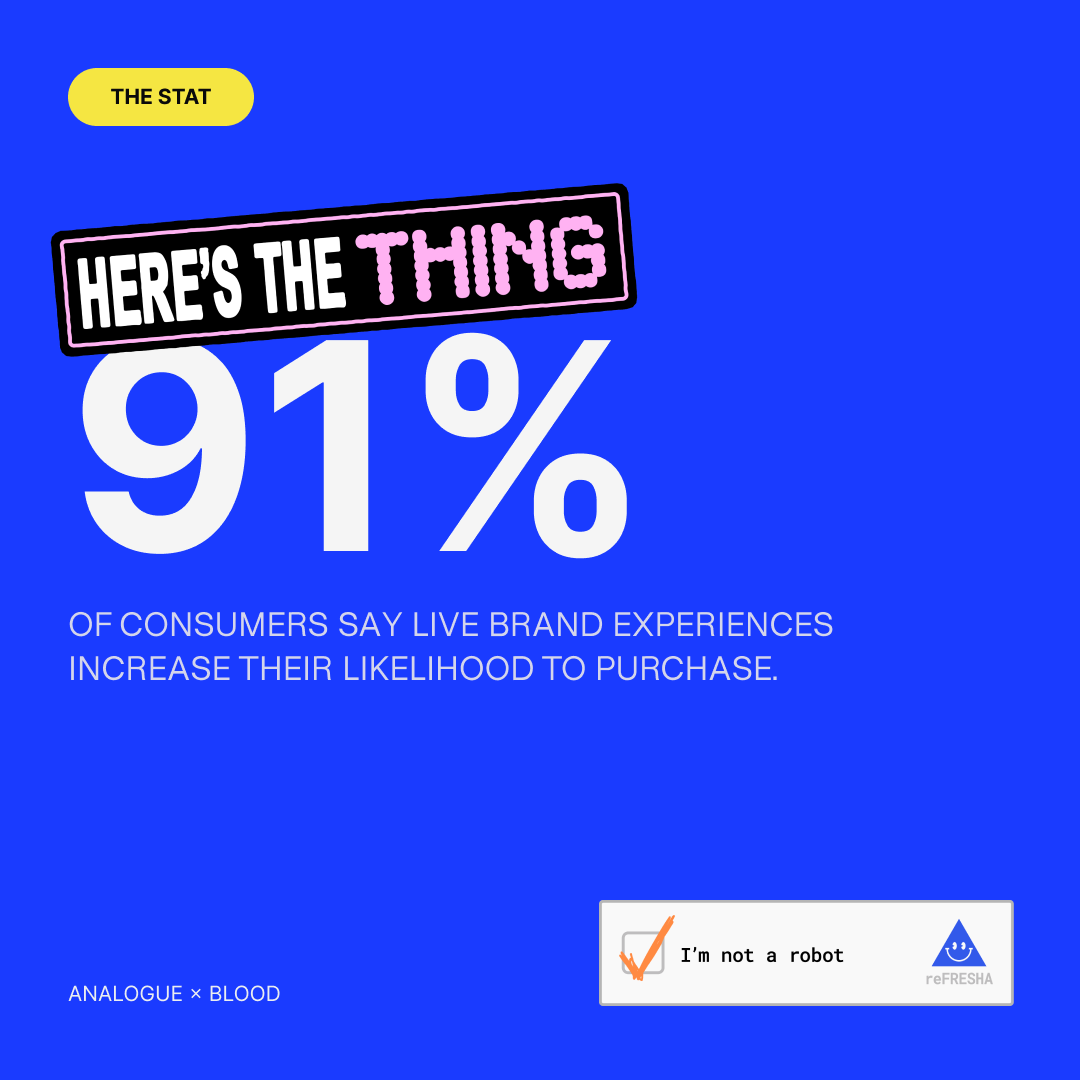
(MC) I wouldn’t say there’s one specific category lacking , I think every brand should be investing more in real-world experiences right now. The digital world is so saturated that attention spans are shorter than ever, and it’s easy for brands to lose relevance.
The brands with longevity are the ones creating experiences that feel authentic, unique, and community-driven. Offline connection builds a level of loyalty and emotional engagement that digital alone can’t do.
(FS) I think every brand and every category should be working towards IRL experiences. People, post-pandemic, are craving connections, and with trends shifting towards analogue aesthetics and human connection, this is really important. It’s also important to show your brand’s personality in a way that you can’t necessarily do online. And also, with a bit of a trend away from AI, it allows you to create a space where consumers feel like they’re authentically engaging with you as a brand. It’s trustworthy, and it’s a place where they can get hands-on with something they know to be real and authentic.
…
HUGE thank you to the guys at Blood; check out their amazing work here: https://www.weareblood.co.uk/